

Why Are More Global Businesses Switching to IBC Tank Storage Solutions?
2026-03-11
When I first started helping clients improve their bulk liquid storage systems, I noticed a recurring challenge across industries—traditional containers simply could not balance safety, efficiency, and transportation costs. During that search for better solutions, Wenzhou Sanlo International Trade Co., Ltd. gradually introduced the IBC Tank into its product portfolio, and I quickly realized why this container format has become a preferred choice worldwide. From chemical plants to food processing facilities, businesses are discovering that a well-designed IBC Tank can dramatically simplify logistics, protect materials, and reduce operational waste.
In this article, I want to share what I have learned from working with buyers, distributors, and logistics managers who rely on IBC Tank systems every day. Their feedback highlights clear performance advantages and practical benefits that many companies overlook when they rely on outdated storage methods.
Why Do Bulk Liquid Storage Methods Often Create Hidden Operational Costs?
Before companies adopt an IBC Tank, they often rely on steel drums or small plastic containers. While these options may appear inexpensive initially, they frequently create inefficiencies that affect the entire supply chain.
- Drums require more handling time during loading and unloading.
- Storage space is often wasted because drums cannot stack efficiently.
- Leakage risks increase when multiple containers are used.
- Transportation costs rise due to poor volume utilization.
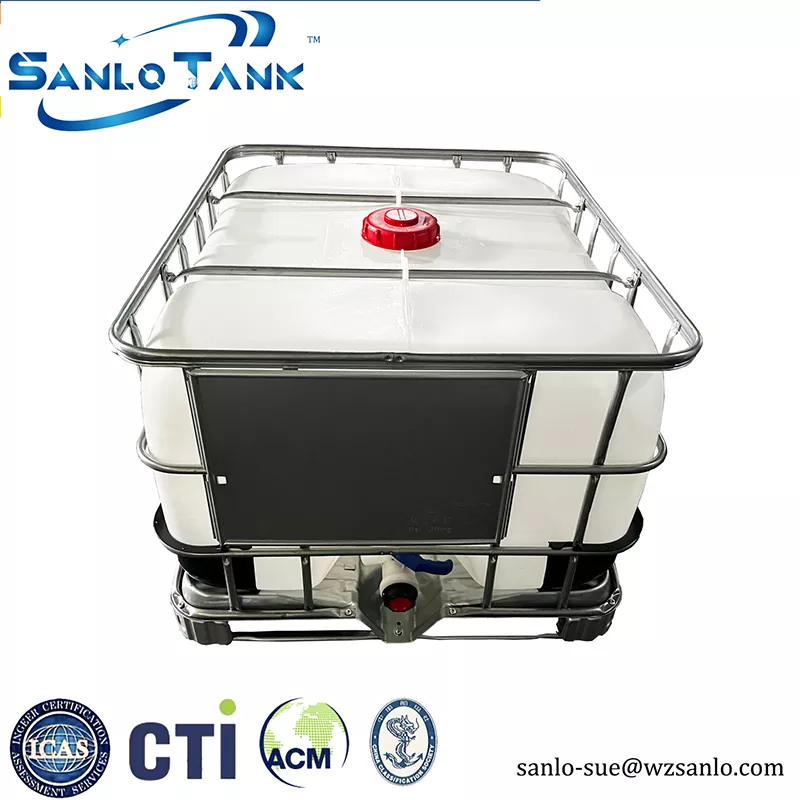
I have seen companies dramatically reduce these issues after shifting to a standardized IBC Tank. The container’s cubic structure, protective cage, and pallet base make it far more efficient for bulk liquid handling.
What Makes an IBC Tank More Efficient Than Traditional Containers?
One of the most noticeable advantages of an IBC Tank is its ability to maximize storage capacity without increasing handling complexity. Instead of managing dozens of smaller containers, operators can store large volumes safely in a single unit.
From my experience working with warehouse managers, three features consistently stand out.
- High storage capacity typically ranging around 1000 liters
- Stackable structure that improves warehouse space utilization
- Durable outer frame that protects the inner tank during transport
- Integrated valve systems that allow controlled liquid discharge
These features allow businesses to streamline both storage and distribution processes.
How Does an IBC Tank Improve Transportation Efficiency?
Transport efficiency often determines whether a logistics operation remains profitable. When I analyzed shipping data for several clients, the difference between drum shipping and IBC Tank transport was significant.
| Storage Method | Typical Capacity Per Unit | Handling Complexity | Transport Efficiency |
| Steel Drums | 200 Liters | High | Low |
| Plastic Barrels | 150–220 Liters | Medium | Moderate |
| IBC Tank | 800–1000 Liters | Low | High |
Because an IBC Tank holds several times more liquid than a drum, fewer containers are required per shipment. This reduces forklift movements, lowers labor requirements, and decreases the likelihood of container damage.
Which Industries Benefit Most From Using an IBC Tank?
Over the years, I have seen IBC Tank systems used in a wide variety of industries. The versatility of the design makes it suitable for transporting both hazardous and non-hazardous liquids.
- Chemical manufacturing
- Food and beverage production
- Pharmaceutical processing
- Agricultural liquid storage
- Industrial cleaning solutions
- Water treatment and environmental applications
Many companies appreciate that an IBC Tank can be reused or recycled depending on regulatory requirements, which also supports sustainability goals.
How Do Reliable Suppliers Ensure Consistent IBC Tank Quality?
From my perspective, product reliability depends heavily on the manufacturing process. When working with professional suppliers, I usually evaluate several critical factors before recommending a specific IBC Tank.
| Quality Factor | Why It Matters |
| High-density polyethylene inner tank | Ensures chemical resistance and long service life |
| Galvanized steel cage | Protects the container during transportation |
| Leak-proof discharge valve | Prevents product loss and improves safety |
| Stable pallet base | Allows safe stacking and forklift handling |
Manufacturers who maintain strict production standards typically provide IBC Tank products that remain reliable even in demanding industrial environments.
Could the Right IBC Tank Solution Simplify Your Supply Chain?
If your operation involves storing or transporting bulk liquids, upgrading your container system can significantly improve efficiency and reduce risk. Many companies discover that switching to an IBC Tank not only saves space but also improves logistics control and long-term cost management.
If you are evaluating bulk liquid storage options and want to learn how the right IBC Tank configuration could support your business, we welcome your questions. Please contact us to discuss your requirements or request product details. Our team is always ready to help you find a reliable storage solution that fits your operational needs.