

How Does an Offshore Mooring Chain Ensure Stability for Floating Structures?
2026-01-13
Summary: Offshore mooring chains are essential components for securing floating vessels and platforms in harsh marine environments. This article explores their working principles, applications, types, maintenance practices, and certifications, offering a complete guide for marine operators and engineers.
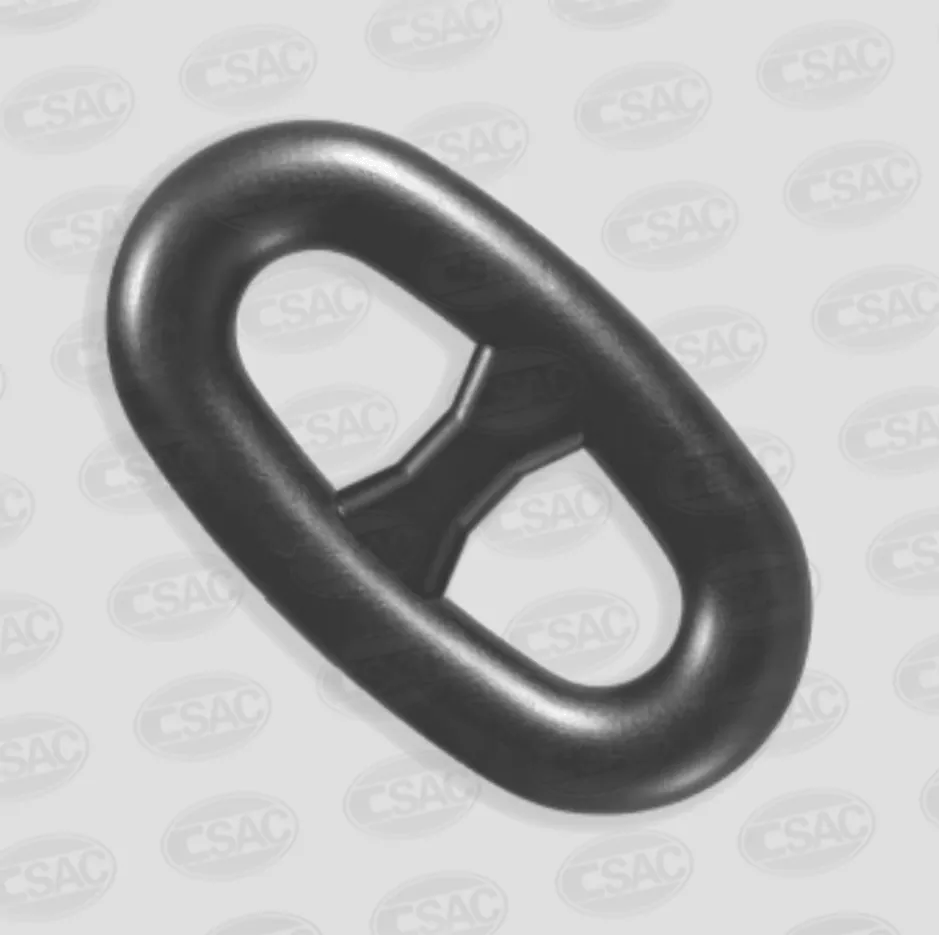
Table of Contents
- Introduction to Offshore Mooring Chains
- How Offshore Mooring Chains Work
- Applications of Offshore Mooring Chains
- Types of Offshore Mooring Chains
- Maintenance and Inspection
- Certifications and Standards
- Frequently Asked Questions
- Conclusion & Contact
Introduction to Offshore Mooring Chains
Offshore mooring chains are specially engineered heavy-duty chains designed to anchor floating structures, including merchant vessels, offshore platforms, FPSOs, and drilling rigs. Unlike conventional anchor chains, these chains are built to withstand extreme marine conditions such as strong currents, high-pressure deep waters, and constant dynamic loads. High-quality offshore mooring chains provide essential holding power and contribute to operational safety and stability in offshore environments.
How Offshore Mooring Chains Work
The primary function of an offshore mooring chain is to connect a floating structure to its seabed anchoring system securely. The chain performs several critical roles:
- Station Keeping: Ensures the floating asset remains in a fixed position despite environmental forces.
- Load Absorption: Absorbs shock from waves, wind, and currents to reduce stress on mooring points.
- Strength & Durability: Stud link or studless designs enhance mechanical strength and wear resistance.
- Weight Distribution: The chain’s mass provides tension management for optimal mooring performance.
By integrating these functions, offshore mooring chains maintain stability for extended periods, reducing the risk of drift or equipment damage.
Applications of Offshore Mooring Chains
Offshore mooring chains are vital in industries where safe station-keeping is critical:
- Commercial shipping and naval vessels
- Oil and gas offshore projects
- Floating wind farms and renewable energy installations
- Harbor and port operations requiring temporary anchoring solutions
These chains are especially necessary when standard anchor chains cannot meet operational or environmental demands, providing enhanced safety and reliability.
Types of Offshore Mooring Chains
Two main categories of offshore mooring chains are available, each with unique advantages:
| Type | Description | Advantages |
|---|---|---|
| Stud Link Chains | Chains with a transverse stud in each link to enhance strength and prevent deformation. | High tensile strength, better wear resistance, and reduced risk of twisting. |
| Studless Chains | Chains without a stud for greater flexibility and easier handling in certain mooring arrangements. | Lightweight, easier to manufacture in long lengths, and suitable for dynamic mooring systems. |
Maintenance and Inspection
Proper maintenance ensures that offshore mooring chains maintain their performance and lifespan. Key practices include:
- Regular visual inspection for corrosion, cracks, or deformation
- Lubrication and protective coatings to reduce wear from saltwater exposure
- Load testing to verify tensile strength and breaking load compliance
- Replacement of damaged links to prevent operational failure
Following these guidelines minimizes downtime and increases safety for offshore operations.
Certifications and Standards
High-quality offshore mooring chains meet international classification standards to ensure reliability and safety. Reputable chains are certified by organizations such as:
- CCS (China Classification Society)
- ABS (American Bureau of Shipping)
- DNV (Det Norske Veritas)
- BV (Bureau Veritas)
- LR (Lloyd’s Register)
- NK, RINA, KR, RS
Certification ensures compliance with IACS and ISO standards and verifies the chain’s proof load and breaking load specifications.
Frequently Asked Questions
-
Q: What is the difference between stud link and studless chains?
A: Stud link chains have a transverse stud for higher strength and anti-twisting, while studless chains are more flexible and easier to handle. -
Q: How often should offshore mooring chains be inspected?
A: Chains should undergo visual inspections monthly, with full load testing annually or as specified by project requirements. -
Q: Can offshore mooring chains be used in deep-water projects?
A: Yes, these chains are specifically designed to endure deep-water pressures and harsh marine environments. -
Q: Are all offshore mooring chains certified?
A: Reputable manufacturers provide certification from recognized international classification societies, confirming strength and compliance.
Conclusion & Contact
Offshore mooring chains are indispensable for securing floating platforms, vessels, and renewable energy projects. Choosing the right type, maintaining them correctly, and ensuring certified quality are key to operational safety. For high-quality offshore mooring chains that meet international standards, Zhoushan Zhongnan Anchor Chain Co., Ltd provides reliable and durable solutions. Contact us today to discuss your specific mooring requirements and secure your offshore assets effectively.