

How Does a Cargo Semi Trailer Enhance Freight Transportation Efficiency?
2026-03-20
Article Summary: Cargo semi trailers are essential vehicles in modern logistics, designed to carry a variety of goods over long distances safely and efficiently. This article examines the working principles, structural advantages, technical specifications, and practical considerations when selecting cargo semi trailers. It also addresses common logistical challenges, offers guidance for choosing the right trailer, and provides frequently asked questions for better decision-making.
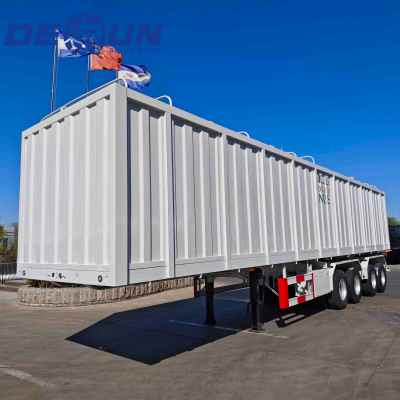
Table of Contents
- 1. Overview of Cargo Semi Trailers
- 2. How Cargo Semi Trailers Work
- 3. Key Structural Components
- 4. Advantages of Using Cargo Semi Trailers
- 5. Technical Specifications
- 6. How to Select the Right Trailer
- 7. Common Applications
- 8. Frequently Asked Questions
1. Overview of Cargo Semi Trailers
A cargo semi trailer is a detachable trailer designed to carry heavy or bulky goods efficiently. Unlike rigid trucks, semi trailers can be connected to different tractor units, offering flexibility in logistics operations.
Manufacturers such as Shandong Derun Vehicle produce high-quality semi trailers suitable for various industries, including e-commerce logistics, manufacturing, and agricultural transport. These trailers reduce operational costs, improve load distribution, and facilitate large-scale transportation projects.
2. How Cargo Semi Trailers Work
Cargo semi trailers operate by combining a tractor unit with a detachable trailer. The trailer itself does not have a front axle and relies on the tractor for pulling and weight support at the front.
- Attachment: The trailer is connected to the tractor through a fifth wheel coupling, allowing flexibility and pivoting during turns.
- Loading: Goods are loaded via side doors, rear doors, or overhead openings depending on the trailer type.
- Transportation: Cargo is secured inside the trailer using straps, locks, or bulkheads to prevent shifting during transit.
- Unloading: Trailers are designed for easy unloading either manually or via hydraulic systems for tipper models.
This modular system allows fleet operators to swap trailers quickly, optimizing time and resources in logistics chains.
3. Key Structural Components
The efficiency and durability of a cargo semi trailer depend on its structural design. Key components include:
- Chassis: The main frame that supports the load and connects to the tractor unit.
- Axles: Typically 2–4 axles depending on load capacity and regulations.
- Suspension System: Leaf spring, air suspension, or torsion bar for stability and comfort.
- Trailer Body: Can be flatbed, enclosed box, refrigerated, or tipper style.
- Braking System: Air brakes or hydraulic brakes ensuring safety during transport.
- Coupling Device: Fifth wheel connection enabling the trailer to pivot with the tractor unit.
Advanced materials like high-strength steel and lightweight alloys improve durability while minimizing trailer weight.
4. Advantages of Using Cargo Semi Trailers
Cargo semi trailers offer multiple benefits for logistics operations:
- Flexibility: Detachable trailers allow for efficient fleet rotation.
- High Load Capacity: Supports large volumes and heavy goods without overloading the tractor unit.
- Reduced Operational Costs: Ability to use a single tractor for multiple trailers increases asset utilization.
- Safety: Modern suspension and braking systems improve cargo protection and driver safety.
- Versatility: Compatible with different cargo types including bulk, palletized, refrigerated, or containerized goods.
5. Technical Specifications
| Parameter | Typical Range |
|---|---|
| Length | 12 – 16 meters |
| Width | 2.5 meters |
| Height | 3 – 4 meters |
| Load Capacity | 20 – 60 tons |
| Axles | 2–4 |
| Suspension Type | Air or leaf spring |
Specifications can be customized depending on transportation requirements, cargo type, and regulatory compliance.
6. How to Select the Right Trailer
Selecting the appropriate cargo semi trailer requires evaluating:
1. Cargo Type: Determine if you need a flatbed, box, refrigerated, or tipper trailer.
2. Load Capacity: Calculate maximum weight and volume to avoid overloading.
3. Suspension System: Air suspension is ideal for delicate cargo, leaf springs for heavy loads.
4. Manufacturer Reputation: Working with established manufacturers like Shandong Derun Vehicle ensures quality and after-sales support.
5. Regulatory Compliance: Check local transportation laws for axle limits, length, width, and weight restrictions.
7. Common Applications
Cargo semi trailers are widely used in:
- Freight and logistics companies
- Manufacturing and industrial supply chains
- Agricultural transport
- Retail and e-commerce distribution
- Construction and heavy equipment transport
They provide reliable and cost-effective solutions for long-distance transportation of diverse cargo types.
8. Frequently Asked Questions
Q1: What types of cargo can a semi trailer carry?
A: Semi trailers can carry palletized goods, bulk materials, machinery, refrigerated items, and containers.
Q2: How do I know which suspension system to choose?
A: Air suspension provides smoother rides for sensitive cargo, while leaf spring is durable and suited for heavy loads.
Q3: Can I use one tractor for multiple trailers?
A: Yes, trailers are detachable and can be swapped efficiently to optimize logistics operations.
Q4: What maintenance is required?
A: Regular inspection of brakes, tires, axles, coupling devices, and suspension is essential for safety and longevity.
Q5: How long is the typical lifespan of a cargo semi trailer?
A: With proper maintenance, trailers can last 10–15 years depending on usage intensity and environmental conditions.
Conclusion
Cargo semi trailers are a cornerstone of modern freight transportation, offering versatility, high capacity, and cost-efficient logistics solutions. Choosing the right trailer and working with a trusted manufacturer like Shandong Derun Vehicle ensures long-term reliability and operational efficiency.
Contact us today to explore customized solutions, competitive pricing, and professional support for your cargo transportation needs.