

How Does a Ball Mill Grinder Improve Industrial Grinding Efficiency?
2026-08-20
Article Summary
A Ball Mill Grinder is an essential grinding solution widely used in mining, chemical processing, building materials, battery materials, and other industries that require precise particle size control. Choosing the right grinding equipment directly affects production efficiency, energy consumption, product quality, and operating costs. This article explains how a Ball Mill Grinder works, what problems it solves, how to select the right system, and why EPIC provides reliable solutions for modern powder processing requirements.
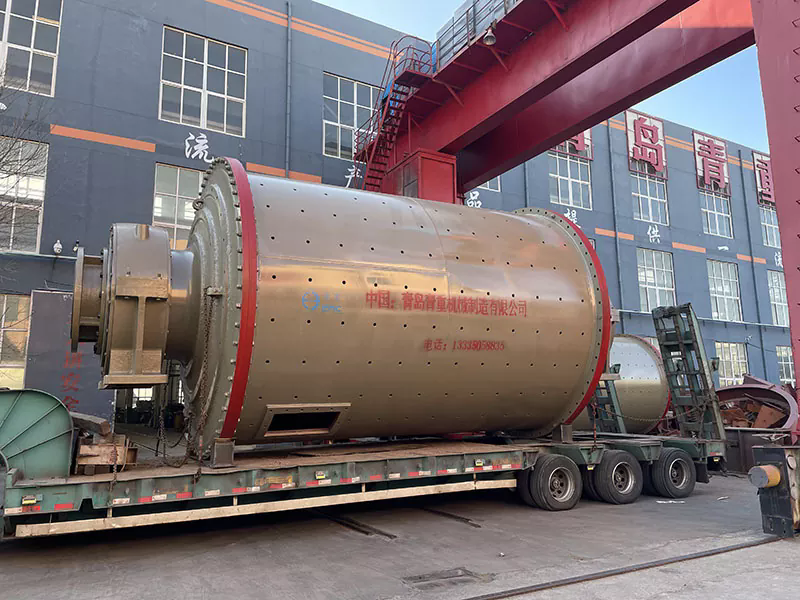
Table of Contents
- What Is a Ball Mill Grinder?
- How Does a Ball Mill Grinder Work?
- What Problems Can a Ball Mill Grinder Solve?
- Key Features of a High-Performance Ball Mill Grinder
- How to Choose the Right Ball Mill Grinder?
- Industrial Applications of Ball Mill Grinder
- Ball Mill Grinder Performance Comparison
- Maintenance Tips for Better Grinding Performance
- Frequently Asked Questions
What Is a Ball Mill Grinder?
A Ball Mill Grinder is a mechanical grinding device that uses grinding media, usually steel or ceramic balls, to reduce materials into fine powder through impact and friction. During operation, the rotating cylinder causes the grinding media to rise and fall continuously, creating powerful impact forces that break down large particles into smaller sizes.
Modern industries require increasingly precise powder characteristics. Whether processing minerals, chemical materials, ceramic products, or advanced battery materials, manufacturers need equipment that can provide stable output, controllable particle size, and consistent quality. A properly designed Ball Mill Grinder helps companies achieve these goals while reducing production difficulties.
EPIC focuses on advanced powder processing equipment and provides professional grinding solutions designed according to different material properties and production requirements. The company develops customized systems to support customers in achieving efficient and stable powder manufacturing processes.
How Does a Ball Mill Grinder Work?
Understanding the working principle of a Ball Mill Grinder helps users choose suitable equipment and optimize production performance. The grinding process usually includes feeding, grinding, classification, and collection stages.
- Material Feeding: Raw materials enter the grinding chamber through a controlled feeding system.
- Grinding Process: As the cylinder rotates, grinding balls move upward and fall due to gravity. The impact and friction between the balls and materials gradually reduce particle size.
- Particle Classification: Fine particles can be separated according to required specifications, while oversized particles may return for additional grinding.
- Powder Collection: Finished powder is collected through an efficient separation system for further application.
The efficiency of a Ball Mill Grinder depends on multiple factors, including rotation speed, grinding media size, filling ratio, material hardness, moisture content, and equipment design. Optimizing these factors allows manufacturers to achieve better grinding results with lower energy consumption.
What Problems Can a Ball Mill Grinder Solve?
Many manufacturers face challenges during powder production, including unstable particle size, high energy costs, excessive equipment wear, and low production capacity. A suitable Ball Mill Grinder can effectively address these issues.
| Common Production Challenge | How Ball Mill Grinder Helps |
|---|---|
| Uneven particle size distribution | Provides controlled grinding performance and improves powder consistency. |
| High operating costs | Optimized grinding design reduces unnecessary energy consumption. |
| Low processing efficiency | Continuous grinding operation improves production capacity. |
| Material processing difficulties | Suitable grinding media and operating parameters handle different materials. |
| Frequent maintenance requirements | Reliable structure and wear-resistant components extend service life. |
For businesses that depend on stable powder quality, selecting the correct grinding system is not only an equipment decision but also an important production strategy.
Key Features of a High-Performance Ball Mill Grinder
A professional Ball Mill Grinder should provide reliable performance under continuous industrial operation. The following features are important when evaluating grinding equipment:
- Precise Particle Size Control: Advanced grinding systems allow manufacturers to achieve specific powder fineness requirements.
- High Grinding Efficiency: Optimized internal structure improves material processing ability.
- Stable Continuous Operation: Industrial-grade components support long-term production.
- Energy-Saving Design: Efficient power utilization helps reduce operating expenses.
- Flexible Customization: Equipment can be adjusted according to material characteristics and production targets.
- Low Dust Operation: Proper system design helps improve the working environment.
EPIC designs grinding equipment based on actual customer requirements, including material characteristics, capacity expectations, and final product specifications. This approach helps customers avoid unnecessary investment in unsuitable equipment.
How to Choose the Right Ball Mill Grinder?
Selecting a Ball Mill Grinder requires careful consideration of production conditions. Different industries have different requirements, so equipment selection should focus on practical application needs.
| Selection Factor | Important Considerations |
|---|---|
| Material Characteristics | Hardness, moisture, abrasiveness, and chemical properties influence equipment selection. |
| Production Capacity | The machine size should match required output levels. |
| Final Particle Size | Grinding configuration should meet required powder fineness. |
| Energy Consumption | Efficient equipment helps control long-term operating costs. |
| Maintenance Requirements | Easy maintenance improves equipment availability. |
Before purchasing equipment, manufacturers should evaluate their complete production process rather than focusing only on machine price. A reliable grinding solution should provide long-term value through stable operation, reduced downtime, and consistent product quality.
Industrial Applications of Ball Mill Grinder
Ball Mill Grinder technology is widely used across many industries because of its versatility and reliable grinding capability.
- Mining Industry: Used for grinding mineral materials and improving mineral processing efficiency.
- Chemical Industry: Supports fine powder preparation for various chemical products.
- Building Materials: Helps process cement-related materials and mineral additives.
- Battery Materials: Provides controlled grinding for advanced material preparation.
- Ceramic Industry: Produces fine powders required for ceramic manufacturing.
- Pharmaceutical and Food Industries: Supports applications requiring precise powder processing.
With growing demand for high-quality powders, manufacturers increasingly require grinding systems that combine efficiency, reliability, and flexibility.
Ball Mill Grinder Performance Comparison
| Feature | Traditional Grinding Equipment | Modern Ball Mill Grinder |
|---|---|---|
| Particle Control | Limited adjustment capability | More precise particle size management |
| Production Stability | May fluctuate during operation | Designed for continuous industrial production |
| Energy Efficiency | Higher energy consumption possible | Optimized energy utilization |
| Application Range | Limited material adaptability | Suitable for various industries |
Maintenance Tips for Better Grinding Performance
Regular maintenance is essential for maximizing the service life and performance of a Ball Mill Grinder.
- Inspect grinding media regularly and replace worn components when necessary.
- Check lubrication systems to ensure smooth mechanical operation.
- Monitor vibration, temperature, and operating conditions.
- Keep feeding systems stable to prevent overload.
- Follow professional maintenance schedules provided by equipment suppliers.
Proper maintenance not only extends equipment lifespan but also helps maintain stable product quality and reduce unexpected production interruptions.
Frequently Asked Questions
What materials can a Ball Mill Grinder process?
A Ball Mill Grinder can process many materials, including minerals, chemical products, ceramic materials, building materials, and other industrial powders. The specific configuration depends on material properties and final requirements.
How does a Ball Mill Grinder improve production efficiency?
It improves efficiency through optimized grinding action, stable operation, controlled particle size, and better utilization of grinding energy.
Why is customization important when choosing a Ball Mill Grinder?
Different materials have different hardness, moisture levels, and processing requirements. Customized equipment design ensures better grinding performance and avoids inefficient operation.
How long can a Ball Mill Grinder operate?
The service life depends on equipment quality, operating conditions, maintenance practices, and component wear management. Proper maintenance can significantly extend operational life.
Why choose EPIC for Ball Mill Grinder solutions?
EPIC provides professional powder processing equipment and customized solutions based on customer requirements. With experience in grinding technology, EPIC helps customers improve production efficiency and achieve stable powder quality.
Conclusion
A reliable Ball Mill Grinder plays an important role in modern industrial powder processing. From improving grinding efficiency to achieving consistent particle size, the right equipment helps manufacturers reduce production challenges and increase competitiveness.
EPIC provides advanced grinding solutions designed around real industrial requirements. Whether you need improved processing efficiency, customized equipment design, or professional technical support, EPIC is ready to provide a suitable solution for your application. Contact us today to discuss your Ball Mill Grinder requirements and discover a more efficient grinding solution.