

How Can a Platform Container Enhance Storage Efficiency and Logistics Management?
2026-03-23
Article Summary
Platform containers are versatile storage solutions widely used in industrial, commercial, and logistics operations. This article explores the design, functionality, and benefits of platform containers, helping businesses understand how these containers improve storage efficiency, streamline logistics, and reduce operational costs. Practical insights, technical parameters, and tips for selecting the right container are provided to guide informed decision-making.
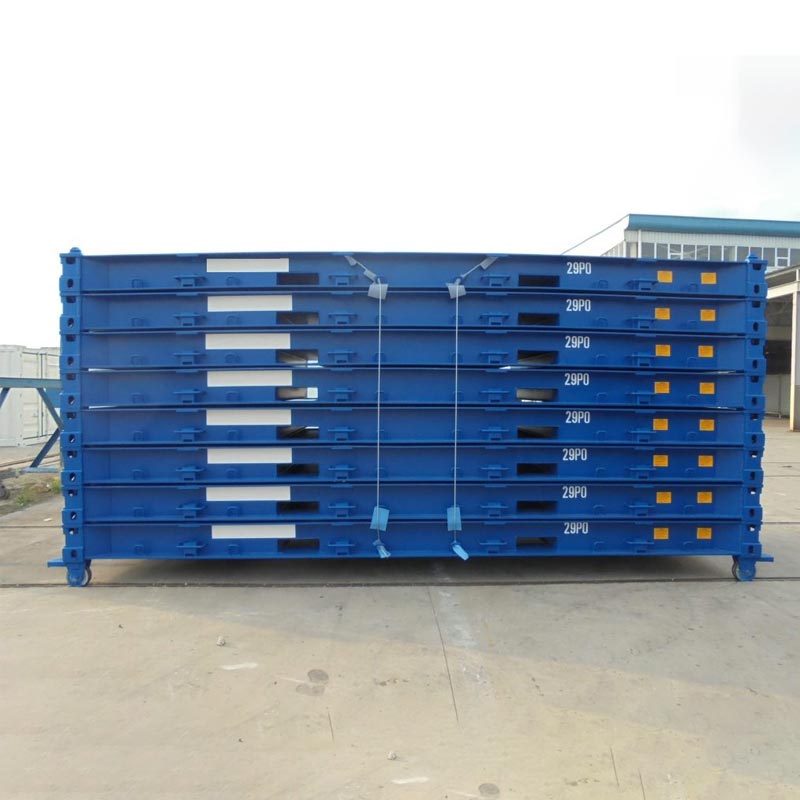
Table of Contents
- 1. What Is a Platform Container?
- 2. How Does a Platform Container Work?
- 3. Key Benefits of Using Platform Containers
- 4. Technical Specifications and Features
- 5. Types of Platform Containers
- 6. How to Select the Right Platform Container
- 7. Best Practices for Handling and Maintenance
- 8. Frequently Asked Questions
- 9. Conclusion
1. What Is a Platform Container?
A platform container is a modular storage unit designed for efficient stacking, transport, and storage of goods. Unlike traditional containers, platform containers are built with an open, flat design or low walls, which allows easy access from multiple sides and facilitates the handling of oversized or irregularly shaped items.
They are commonly used in warehouses, factories, and shipping yards, providing a flexible solution for heavy-duty storage and logistics operations.
2. How Does a Platform Container Work?
Platform containers operate by providing a stable and modular platform for transporting or storing goods. Their construction allows forklifts, pallet jacks, and cranes to easily load and unload items. The design maximizes space utilization and ensures secure stacking during transport.
- Flat base for heavy or bulky items
- Reinforced corners for stability
- Optional side panels for containment
- Compatibility with standardized transport vehicles
Modern platform containers may include features such as collapsible sides, modular connections, and weather-resistant coatings to enhance usability and durability.
3. Key Benefits of Using Platform Containers
Platform containers offer several advantages to businesses managing large volumes of goods:
- Improved Storage Efficiency: Stackable design allows for maximum use of vertical space.
- Cost Reduction: Reduces damage and loss during handling and transport.
- Operational Flexibility: Can accommodate goods of various shapes and sizes.
- Ease of Handling: Compatible with forklifts and cranes for rapid loading/unloading.
- Durability: Constructed from steel, aluminum, or high-strength plastics for long service life.
4. Technical Specifications and Features
| Parameter | Description |
| Material | Steel, Aluminum, or High-Strength Plastic |
| Load Capacity | Up to 5,000 kg depending on model |
| Dimensions | Standard and customized options available |
| Stacking Ability | 3-5 layers depending on weight and container type |
| Handling Compatibility | Forklift, pallet jack, crane |
| Weather Resistance | Optional coatings for outdoor use |
| Collapsible Design | Optional for easy storage when empty |
5. Types of Platform Containers
Different types of platform containers are suited to specific applications:
- Open Platform Container: No walls, ideal for oversized or heavy goods.
- Low-Wall Platform Container: Partial containment for moderate loads.
- Collapsible Platform Container: Can be folded for return transport or storage.
- Stackable Platform Container: Reinforced for multiple layers to save warehouse space.
6. How to Select the Right Platform Container
Selecting the right platform container requires careful evaluation of business needs:
- Load Requirements: Choose a container with adequate weight capacity.
- Material: Steel for durability, aluminum for lightweight, plastic for corrosion resistance.
- Storage and Stacking: Ensure compatibility with warehouse shelving or shipping constraints.
- Handling Equipment: Check forklift or crane compatibility.
- Environment: Outdoor vs. indoor use, weather-resistant coatings if necessary.
Choosing a reputable manufacturer ensures durability, reliability, and support throughout the product lifecycle.
7. Best Practices for Handling and Maintenance
Proper handling and regular maintenance of platform containers are crucial for safety and longevity:
- Inspect containers for damage before each use
- Do not exceed maximum load capacity
- Store empty containers properly to prevent warping or corrosion
- Clean containers regularly to avoid contamination
- Use compatible handling equipment to prevent structural damage
Following these practices minimizes operational risks and ensures reliable performance over time.
8. Frequently Asked Questions
Q1: Can platform containers be used outdoors?
Yes. Weather-resistant coatings and corrosion-resistant materials allow certain platform containers to be used outdoors safely.
Q2: Are platform containers stackable?
Most platform containers are designed for stacking. Reinforced models can support multiple layers to optimize storage space.
Q3: What industries benefit most from platform containers?
Manufacturing, logistics, warehousing, shipping, and construction industries benefit due to heavy-duty storage and efficient transport needs.
Q4: How do I maintain platform containers?
Regular inspection, cleaning, proper handling, and not exceeding load limits are essential for maintenance and longevity.
9. Conclusion
Platform containers are essential tools for modern storage and logistics management. They offer flexibility, durability, and efficiency that help businesses optimize warehouse operations and reduce costs. Selecting the right type and following proper handling practices ensures maximum benefits.
Container Family provides high-quality platform containers tailored for industrial and logistics applications. For professional solutions and customized options that suit your operational needs, contact us today to enhance your storage efficiency and logistics workflow.