

Stand Up Pouch with Valve Customized Manufacturer: Tailored Packaging Solutions
2026-05-21
Packaging isn’t just about containment—it’s the silent ambassador of your brand. For products demanding freshness, portability, and standout shelf presence, stand up pouches with valves have become a game-changer. At Kody, we don’t just manufacture these pouches; we engineer tailored solutions that breathe life into your vision. Whether you’re in coffee, snacks, or pet food, we understand that every product has a story—and its packaging should tell it flawlessly. Dive in to discover how our customized approach sets your brand apart, one precision valve at a time.
Tailored to Your Product: The Power of Custom Fit
A solution that bends to your needs rather than forcing you into a rigid framework changes everything. When tools adapt precisely to what you’re building, the friction between idea and execution dissolves. You stop wrestling with features that feel bolted on and start moving through a workflow that mirrors how your team actually thinks and works.
That tight integration means your daily operations become smoother, almost invisible. Instead of tweaking your process to fit someone else’s mold, the product reshapes itself around your goals. The result isn’t just efficiency—it’s a sense of control and clarity that generic alternatives can’t replicate.
Over time, this tailored approach compounds. Small adjustments accumulate into a system that feels intuitive to every user, from the newest hire to the seasoned expert. You’re not just adopting a tool; you’re extending your own capabilities with something that fits like it was built for you from day one.
Valve Technology That Protects What’s Inside
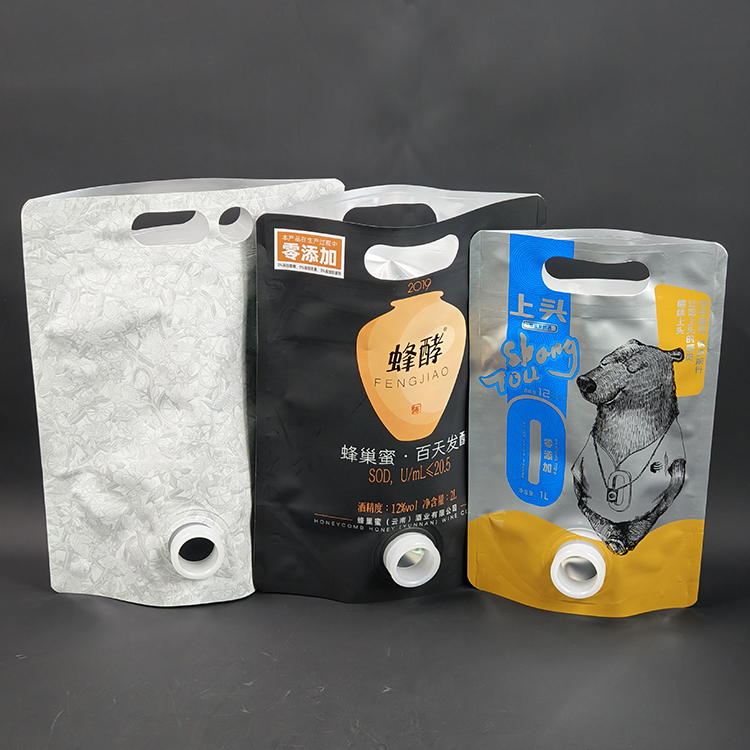
The cleverest valves are the ones you never see. They hide inside coffee bags, letting out CO2 from fresh roasts without letting oxygen creep back in to stale the beans. That tiny one-way vent is a silent guardian, keeping aromas locked down and spoilage at bay during weeks of transit. It’s not just about freshness—it’s a safeguard against the bloated packages that would otherwise burst on trucks climbing mountain passes.
In gear meant for rough trails, these valves handle bigger threats. Think of a waterproof dry bag or a hard case for electronics: they need to breathe, or changes in air pressure will force water past seals. The solution is often a Gore-Tex membrane or a spring-loaded flapper that allows air molecules to pass but blocks water droplets, dust, and mud. This keeps your spare batteries and first-aid supplies dry, functional, and ready—even after a dunk in a river or days of desert dust storms.
From Design to Delivery: Working with a Dedicated Manufacturer
Turning a concept into a physical product involves more than just handing over a drawing. A dedicated manufacturer becomes an extension of your team, diving into your design intent and suggesting practical refinements that save time and cut costs without compromising quality.
The real magic happens in the iterative back-and-forth. Prototypes get tested, materials are evaluated for performance and feel, and production processes are tweaked to match your vision precisely. It's a collaborative rhythm where clear communication turns complex requirements into elegant, manufacturable solutions.
Once everything locks into place, production moves with a steady cadence. From molding to assembly, every step is checked against the agreed specs. The result isn't just a box of goods at your loading dock; it's a product arriving ready to perform, backed by a partner who understands your supply chain and your standards.
Shelf Appeal: How Packaging Influences Purchase Decisions
Walking down a store aisle, your eyes are pulled toward certain products before you've even registered what they are. This magnetic pull isn't accidental — it's the result of deliberate design choices that tap into human psychology. Colors, shapes, and materials combine to create an immediate emotional response, often overriding rational comparison. A matte black box with a simple logo can signal luxury, while a bright yellow bag with bold lettering might whisper affordability and fun. These visual cues hit shoppers at a primal level, bypassing the slower, analytical parts of the brain and sparking an instant sense of want.
Beyond grabbing attention, packaging shapes how we perceive value and quality. The weight of a jar, the cool touch of glass, or the soft crinkle of recyclable paper can profoundly shift expectations before the product is ever used. A bottle with a cork stopper suggests craftsmanship, even if the liquid inside is identical to its screw-capped neighbor. This sensory feedback creates a story around the item, and if that story aligns with a person's self-image or aspirations, the sale becomes almost automatic. In crowded markets where functional differences are slim, the packaging becomes the product's most honest salesman.
The final trigger often lies in the tiny details that make a package feel made for a specific person. Custom label fonts, a witty tagline, or an unexpected opening technique can turn a mundane commodity into a talking point. When a brand gets these subtleties right, they stop being just another option on the shelf and become a small experience worth paying extra for. This transformation isn’t just about standing out — it’s about forging a momentary connection that lingers long after the purchase, turning a one-time buyer into a loyal advocate.
Industries That Thrive with Stand-Up Valve Pouches
The food and beverage sector has really taken to these pouches, and for good reason. From protein powders and coffee beans to liquid concentrates and ready-to-drink mixes, the built-in degassing valve keeps contents fresh while preventing bloating during transit. It’s the kind of practical innovation that lets brands ship lightweight, flexible packaging without worrying about pressure buildup or spoilage—an edge that’s hard to overlook in a crowded market.
Pet food and specialty animal nutrition companies are also leaning hard into stand-up valve pouches. Dry kibble stays crunchier for longer, and moisture-sensitive supplements retain their potency because the one-way valve allows trapped air to escape without letting anything back in. The resealable format gives pet owners easy scoop-and-seal convenience, which quietly builds loyalty with every use.
Beyond the obvious food aisles, household and gardening products are picking up on the trend. Lawn fertilizers, moisture-absorbing crystals, and even some powdered cleaning agents benefit from the breathable-yet-protective design. The valve lets off-gassing happen naturally during shelf life, so the pouch doesn’t puff up or rupture—something rigid containers can’t always manage as neatly.
Our Promise: Consistent Quality That Builds Trust
Every project we take on is a chance to prove that reliability isn’t just a word—it’s the backbone of real partnership. From material selection to final inspection, our process is built around checks that catch even the smallest inconsistencies before they reach you. We don’t cut corners, because we’ve seen how one overlooked detail can ripple into bigger problems down the line. That’s why each batch goes through layered testing, and our team tracks quality metrics not as a formality, but as part of a living commitment to send out only work we’d put our own names on.
Trust takes time to build and only a moment to break, so we invest in the kind of consistency that turns first-time clients into decade-long collaborators. Our production records are open, our communication is direct, and when challenges arise, we fix them before they become your burden. The result isn’t just a product that matches the spec sheet—it’s a quiet confidence that settles in after the third, the tenth, the fiftieth order arrives exactly as promised. For us, consistency isn’t about rigid perfection; it’s about being the one supplier you never have to second-guess.
FAQ
It's a flexible packaging bag that can stand upright on a shelf, featuring a small one-way valve near the top. That valve lets gas escape from inside the pouch without letting air back in—think of it like a tiny chimney for built-up pressure. It's especially handy for products that release gas after packaging, like freshly roasted coffee, keeping the bag from bloating or bursting.
Absolutely, customization is the whole point. You're not stuck with a few off-the-shelf options. We can tweak dimensions down to the millimeter, pick from layers like kraft paper, foil, or clear barriers, and even combine materials to match your product's needs—whether it needs a shiny metallic look, a matte natural finish, or ultra-high oxygen protection. It's like tailoring a suit: the cut and fabric are yours to decide.
You'd be surprised how many industries rely on them. Coffee roasters are the obvious ones, but also tea blenders, pet food brands, dried fruit and nut packers, even supplement companies. If your product is loose, granular, or powder that off-gasses, or if you just want to keep it fresher longer by letting excess air escape, a valve pouch makes a quiet but powerful difference on the shelf.
Without a doubt. Freshly roasted coffee, for example, can emit CO2 for days. Without a valve, that gas builds up and either bursts the bag or gets sealed in, which can accelerate staling. The valve acts like a pressure-release valve, letting the bad stuff out while locking the good aromas in. The customer gets a bag that feels firm but not inflated, and the product inside tastes like it was just packaged—even weeks later.
You can go as bold or subtle as you like. We support digital printing for short runs with, say, a matte soft-touch finish and spot UV highlights, all the way to rotogravure for massive orders with photo-realistic detail. You're not stuck with a basic label; you can have a full-wrap design that tells your story, from a campfire scene to a minimalist abstract pattern. And yes, the valve can be color-matched or transparent so it blends in seamlessly.
This is a growing demand, and we've developed some solid options. There are recyclable mono-material structures that keep the barrier properties without layering different plastics, and compostable films that break down in industrial facilities. Even the valve itself can be made from renewable sources. It's not one-size-fits-all, but we can guide you toward a solution that balances shelf appeal, protection, and sustainability goals.
We understand not every launch needs a warehouse full of packaging. For digital print runs, you can start with as few as a couple thousand pouches. It's a low-risk way to test a new product line, a seasonal flavor, or a rebrand before committing to a full production volume. We'll walk you through the trade-offs in unit cost, but you won't get locked into a massive order you're not ready for.
Conclusion
A stand-up pouch with a valve isn't just another container—it's a precision tool molded around your product. The right manufacturer treats your goods like a blueprint, engineering every dimension, curve, and seal so the pouch feels like a natural extension of what's inside. This attention to fit means less wasted space, smarter shipping, and a package that sits solidly on shelves without slouching or risking punctures. At the heart of that design is the one-way degassing valve, a small component with an outsized role: it lets your product breathe out built-up gases while blocking oxygen and moisture from sneaking in. For coffee roasters, it preserves peak flavor weeks after sealing; for fermented foods or chemical powders, it prevents bloated packages and spoiled batches, keeping what's inside as fresh as the moment it was packed.
Beyond function, a customized valve pouch becomes a silent salesperson on crowded shelves. The manufacturer who collaborates from concept to final print knows that a matte finish, a vibrant window, or a resealable zipper isn't just decoration—it's a decision catalyst that nudges the hand toward a purchase. This partnership strips away the guesswork; instead of sifting through off-the-shelf options, you receive guidance on material layers, valve placement, and artwork scaling that suits your exact production line. When that consistency holds—batch after batch, across coffee, pet treats, powdered supplements, or lawn chemicals—something deeper builds: a buyer who trusts the bag trusts the brand inside it. That reliability, wrapped in a design that feels intentional rather than generic, quietly grows loyalty in industries where repeat purchases are everything.
Contact Us
Contact Person: Cindy Lee
Email: [email protected]
Tel/WhatsApp: 8613622669331
Website: https://www.dgkody.com